

Robotic Components & Motion Systems
Motors, integrated joint actuators, precision reducers and motion-control components for humanoids, robotic arms, mobile manipulators and industrial automation.
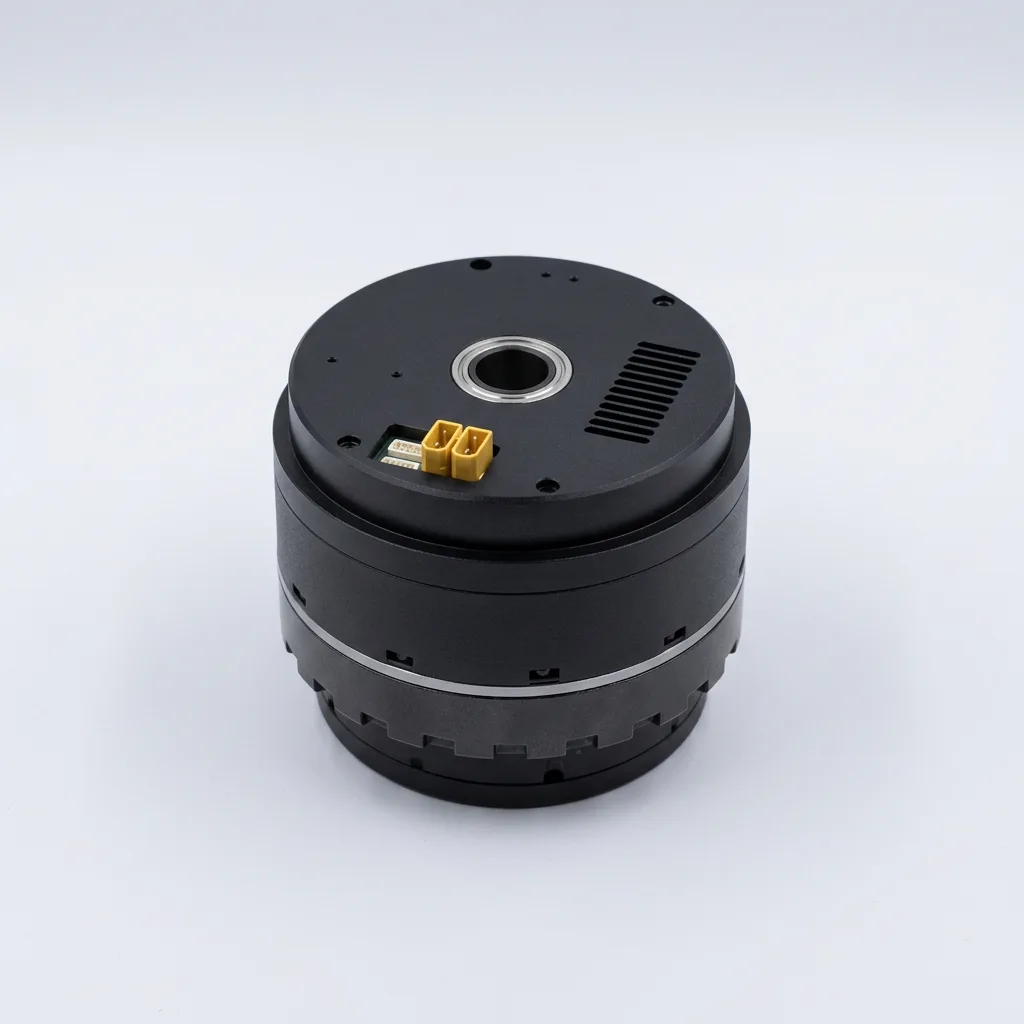
embodyne.ai supplies robotic motion components and integrated joint solutions for equipment builders, system integrators and automation projects. We help match motors, actuators, transmissions, feedback and control components to the mechanical, electrical and operating requirements of each application.
Product families
Integrated Robot Joint Actuators
Compact rotary joint modules available for project-specific selection in humanoids, robotic arms and mobile manipulators.
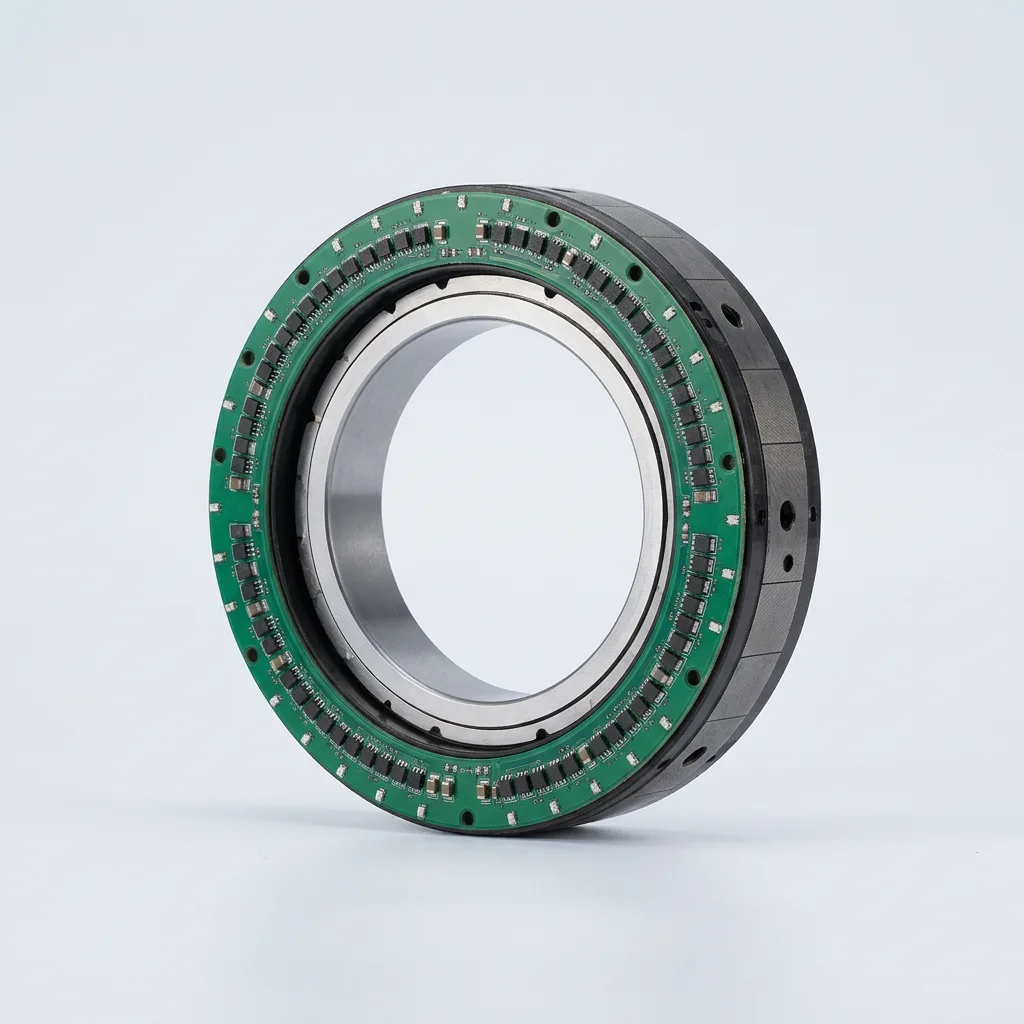
Frameless Torque Motors
Frameless brushless motor kits and thin-profile torque-motor configurations for custom robotic joint and machine integration.
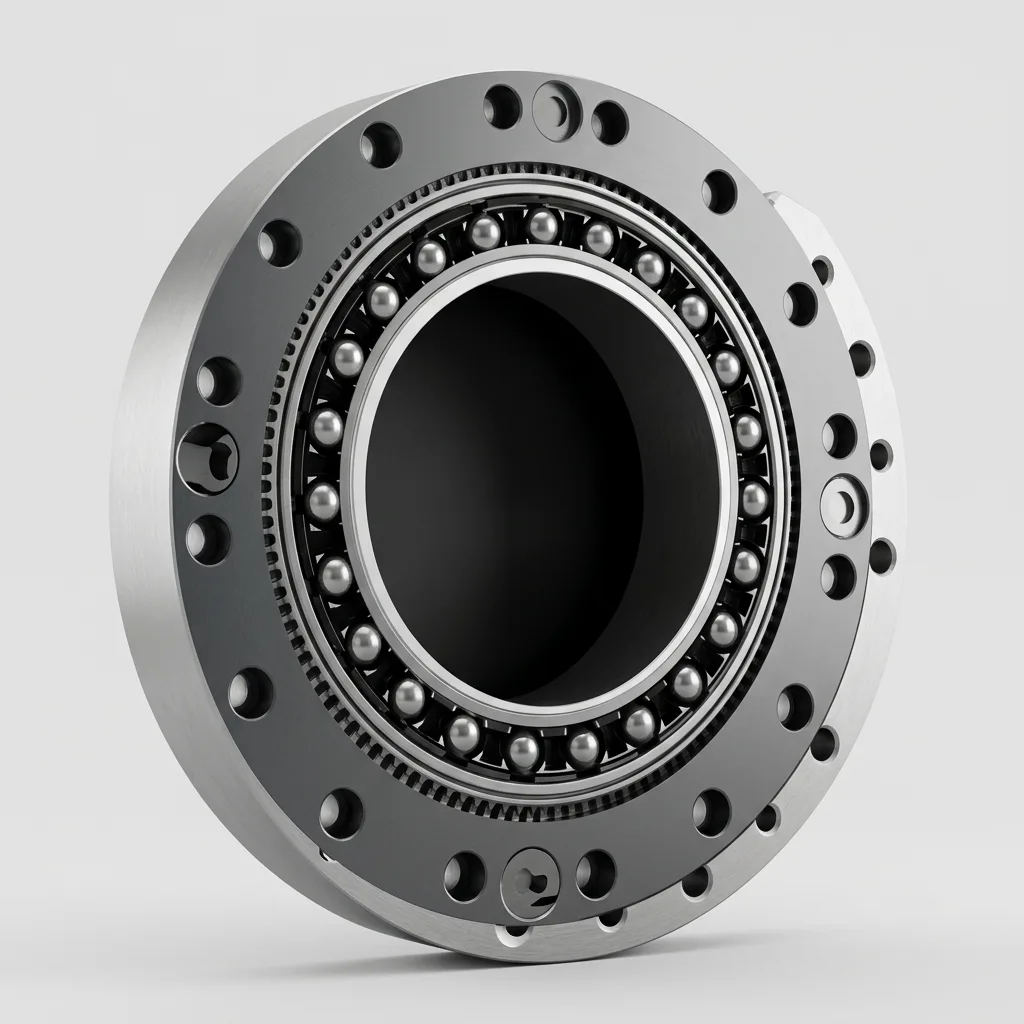
Precision Robotic Reducers
Strain-wave, precision planetary and cycloidal transmission options for application-specific robot joints and positioning axes.
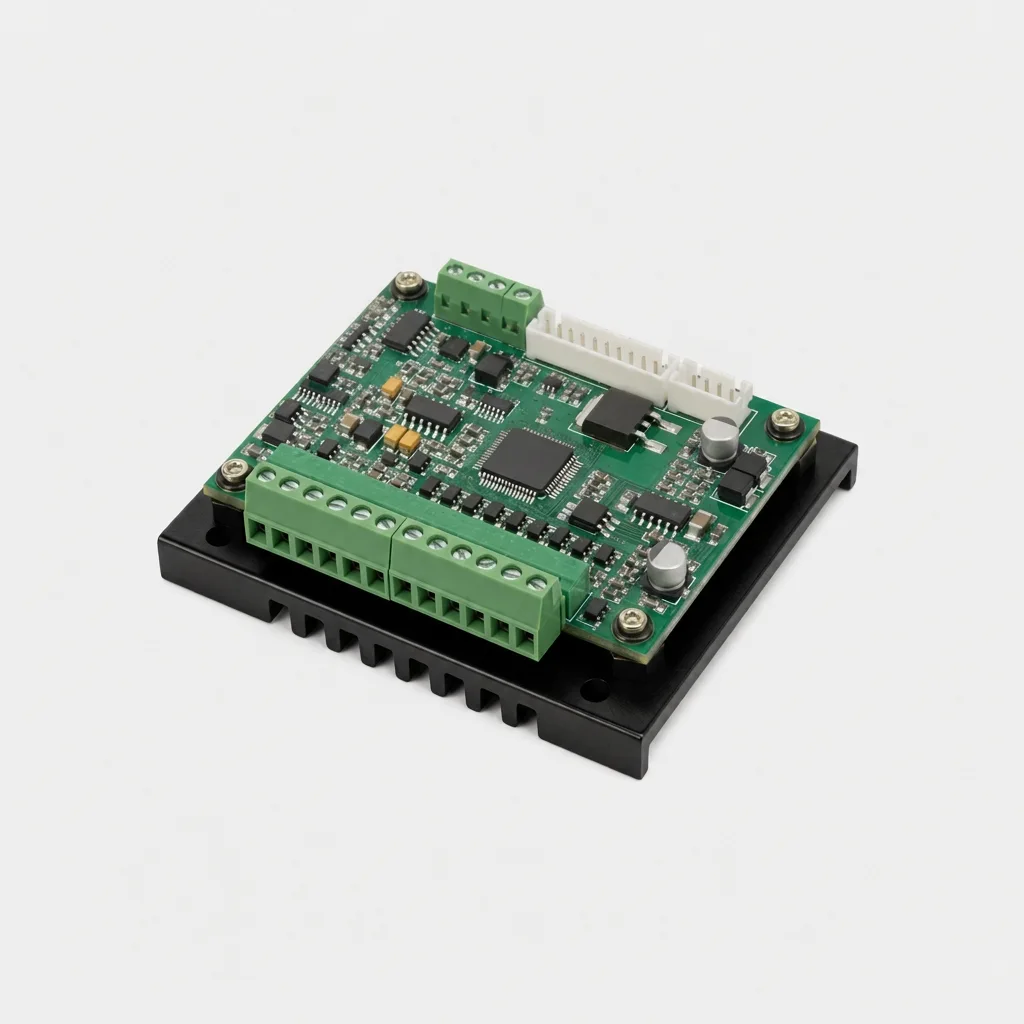
Servo Drives & Joint Control
Compact servo drives and joint-control electronics available for project-specific assessment alongside motors, feedback and host controllers.
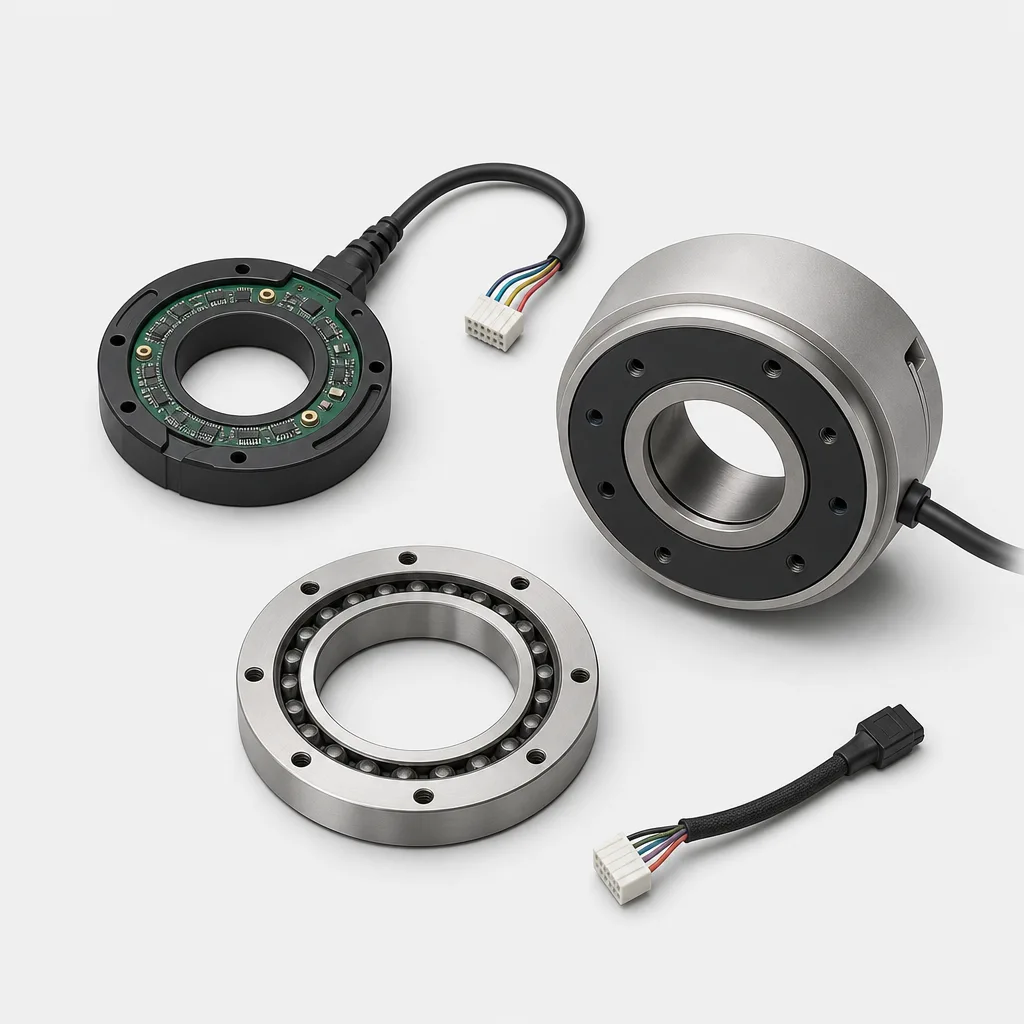
Feedback, Brakes & Joint Accessories
Feedback, holding and mechanical integration options for custom robot joints, selected to suit the complete axis and operating environment.
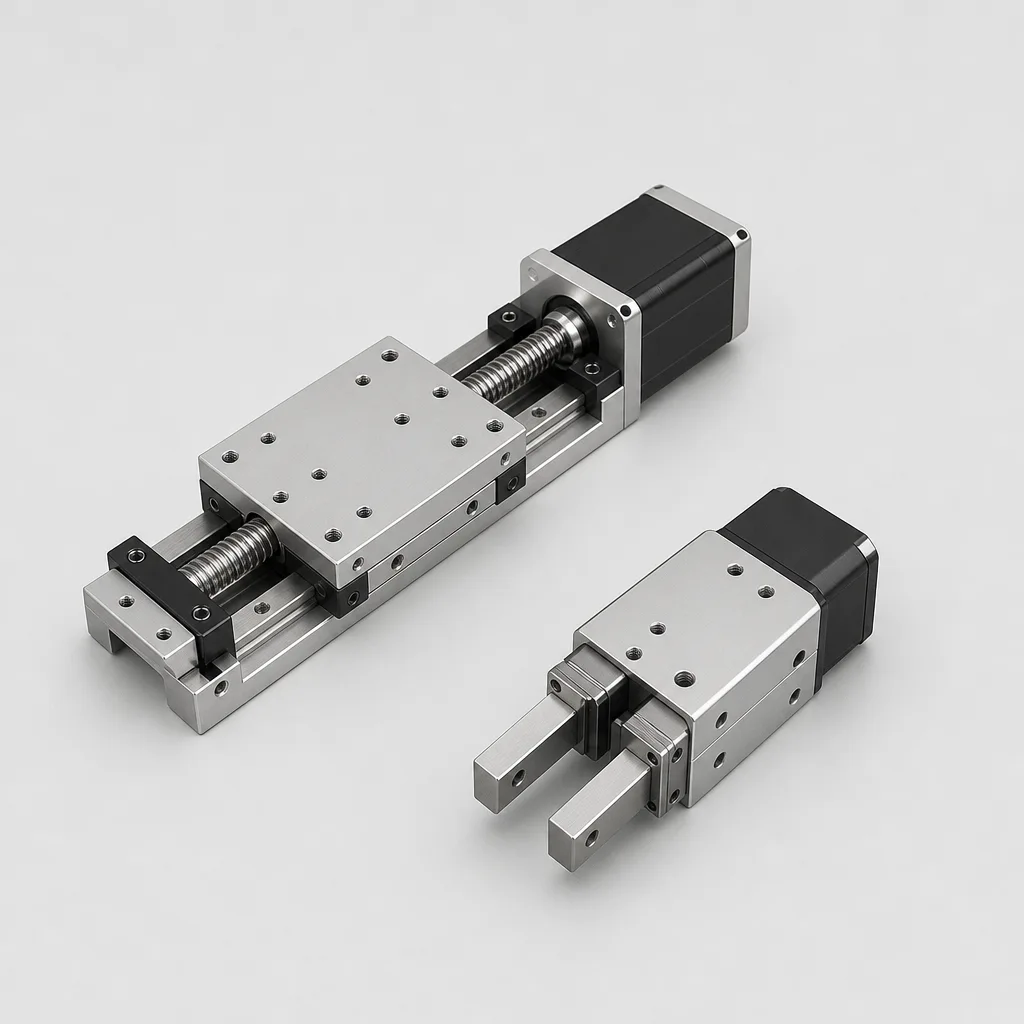
Linear Actuation & End-Effector Components
Electromechanical linear motion, electric gripping and compact actuation options for project-specific robotic mechanisms and end effectors.
Product types and configurations
Choose the integration level
Start with a complete joint module when the assembly boundary fits the project, or select motor, transmission, feedback and control components separately for a custom axis.
Core motion families and project options
Joint modules, ring-shaped motor assemblies and precision reducers form the core range. Drives, sensing, holding accessories, linear motion and gripping options require project-specific configuration review.
Typical applications
- Humanoid shoulder, elbow, wrist, waist and leg joints
- Robotic arms and mobile manipulators
- Custom positioning, handling and assembly equipment
- Laboratory automation and robotic end effectors
Technical selection
Describe the operating task
Identify the robot or mechanism, joint location, load path and motion cycle. Provide continuous and peak torque or linear force, speed, duty cycle and peak duration.
State where ratings apply
Separate motor-side values from reducer output or linear output requirements. Continuous torque and short-duration peak torque are not interchangeable.
Define mechanical and electrical boundaries
Share mounting drawings, envelope, bore and routing needs, supply voltage, feedback and host-control requirements. Confirm the configuration against component documentation.
Specify the result to be validated
Define required repeatability, absolute accuracy, thermal conditions and environmental constraints separately. None can be established from a product photograph or encoder resolution alone.
Integration considerations
Mechanical coordination
Review the motor, reducer, bearing, brake and sensor stack together. Confirm support, alignment, cable movement and servicing access before freezing the axis design.
Control and commissioning
Agree motor-drive-feedback compatibility, host interfaces, homing, tuning, limits and fault response. Existing controller and robotic-system pages describe the wider integration context.
Documentation before procurement
The selected configuration needs its own ratings, drawings, interface information and applicable evidence. No public family description establishes certification, stock, lead time or universal compatibility.
Image reference and scope
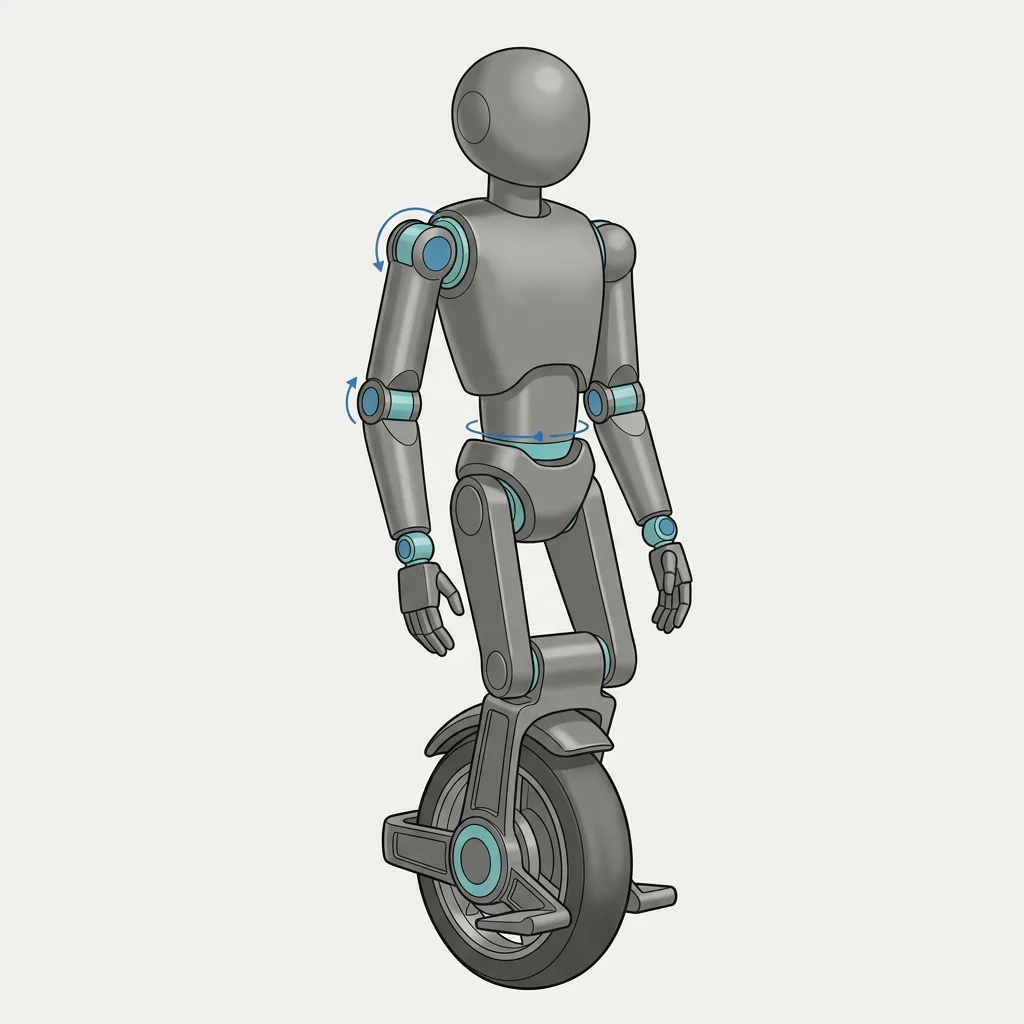
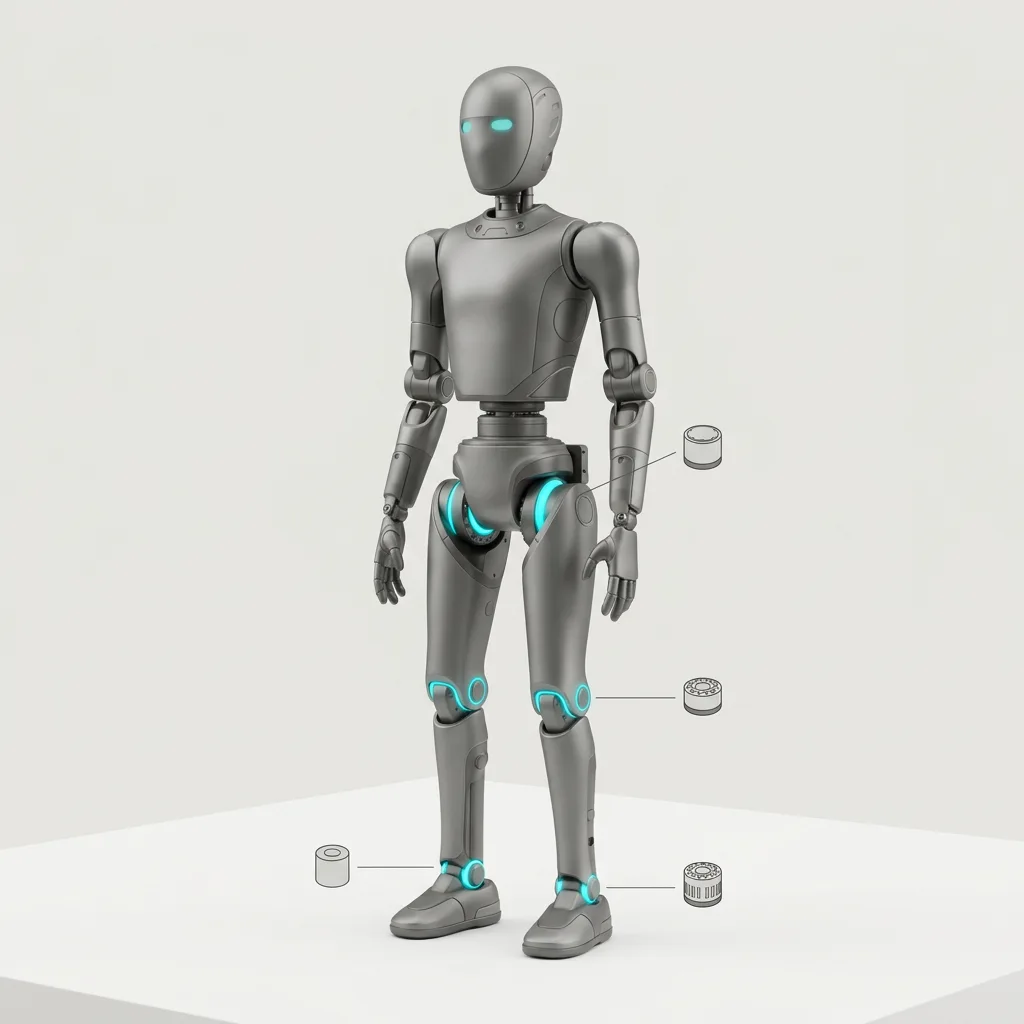
Configurations are available for project-specific selection and integration review. Ratings, interfaces, availability and documentation are confirmed for the selected configuration, not inferred from the illustrative image.
Frequently asked questions
Should I choose an integrated joint or separate components?
Choose the integration boundary around your design responsibilities. An integrated module can combine functions, while separate components allow a custom stack but require coordinated mechanical, thermal, electrical and control engineering.
Are detailed model specifications available on these pages?
These are family-selection pages rather than individual model datasheets. Send your application requirements so the relevant configuration and documentation can be assessed without inventing numerical specifications.
Do the humanoid images show complete robots supplied by embodyne.ai?
No. They are generic joint-application illustrations. They identify possible joint locations and do not establish a supplied robot model, completed deployment or a component's performance.
How do I start an enquiry?
Use the application enquiry link to email the official sales contact with the selected family and requirements checklist. Include your application, loads, speed, duty, mounting, power, feedback, environment, quantity and project stage.
Discuss this application
Email our team with your application and component requirements.
Discuss this application